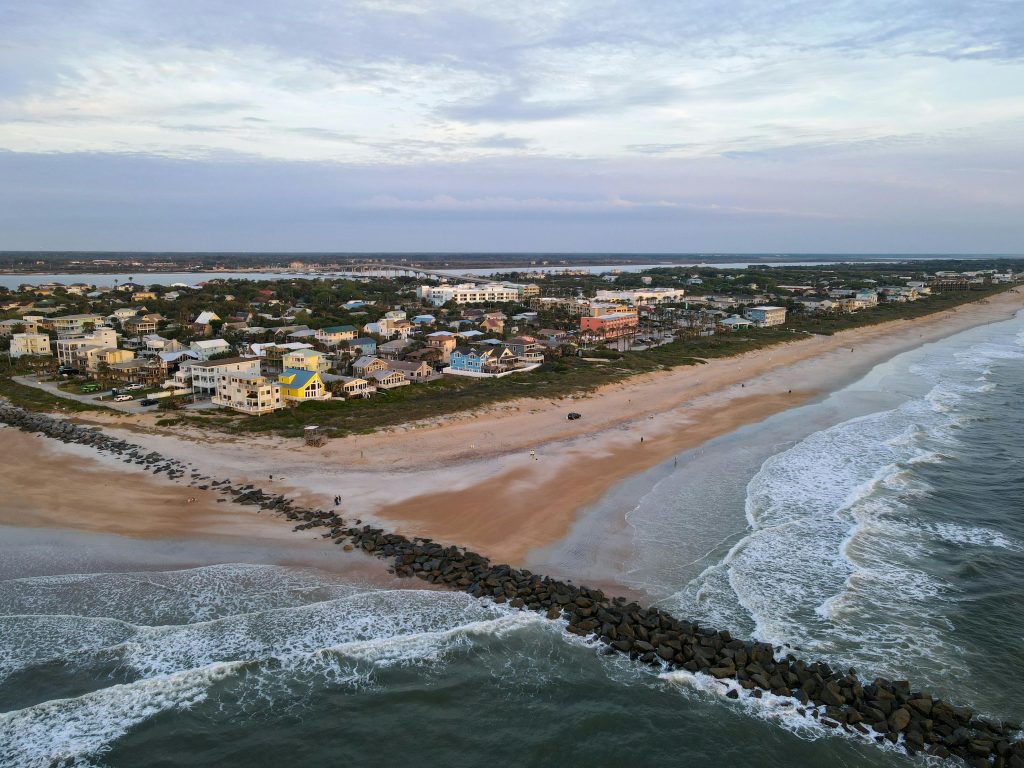
Miami is more than palm trees and parties; it’s a mosaic of neighborhoods, each with its own rhythm, flavor and secrets. Whether you’re hunting for sunrise beachfront strolls, high-energy art walks or a quiet street where kids ride bikes, Miami delivers — often within a 15-minute drive. This guide zeroes in on the hotspots, unveils local-only pockets, helps you pick a place to live, and arms you with practical tips so your Miami experience is smooth and unforgettable.
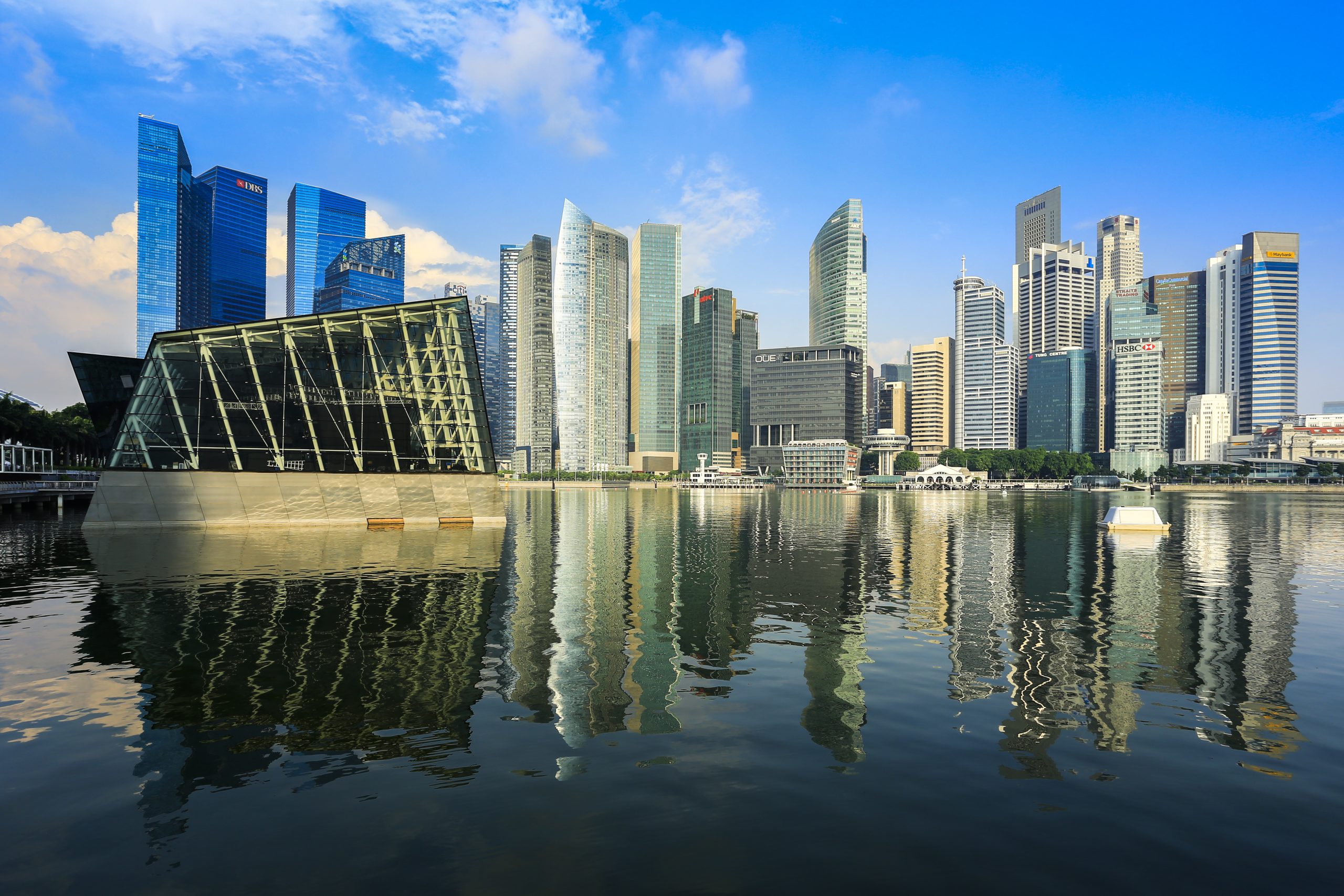
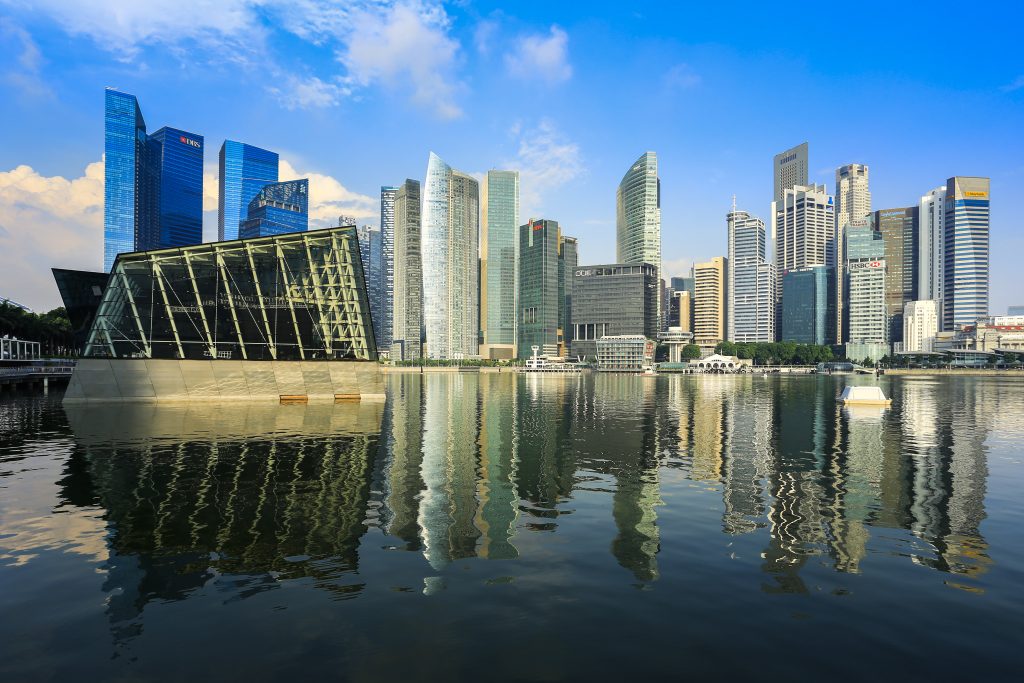
Hotspots: start with South Beach, Wynwood and Brickell — three faces of the city. South Beach is the postcard: turquoise water, pastel Art Deco, nightlife that pulses until dawn. It’s a magnet for tourists, yes, but also a great place to feel the city’s theatrical energy. Wynwood is the canvas — stripes, murals and galleries spill into breweries and boutique shops; perfect for daytime wandering and late-night taco runs. Brickell is Miami’s financial heart: sleek towers, rooftop bars and a fast-paced urban vibe attractive to young professionals who crave convenience and skyline views.
Beyond the buzz are the hidden gems locals quietly cheer for. Little Haiti hums with Caribbean markets, art spaces and unpretentious flavor. Coconut Grove feels like a village under banyan trees — leafy, slow and family-friendly. The MiMo district along Biscayne Boulevard serves classic mid-century architecture and low-key dining. North Beach is a quieter alternative to South Beach with long stretches of sand and a growing creative scene. These spots reward curiosity: explore a side street, and you might find a beloved bakery or a live-music porch jam.
Choosing where to live depends on life stage and goals. Families often favor Coral Gables, Pinecrest and Coconut Grove for top schools, parks and calm streets. Young professionals gravitate toward Brickell, Downtown, Edgewater and Wynwood for walkability, nightlife and short commutes. Investors look at neighborhoods with rising rents and redevelopment potential — think Edgewater, Little Havana, and pockets of Allapattah or North Miami where new construction and transit plans hint at appreciation.
Practical guide: getting around is easier than you think. Use the Metromover and Metrorail downtown, free trolleys in several neighborhoods, and plentiful rideshares for late nights. Biking is growing — bring a lock and stick to calmer streets. Dining follows the city’s multicultural DNA: Miami serves Cuban cafecito, Colombian bakeries, Peruvian ceviche and cutting-edge fusion. Safety is mostly common sense: avoid poorly lit areas at night, secure belongings on the beach, and check local news for neighborhood advisories.
Seasonal tips matter: winter (December–April) is peak season — book ahead. Hurricane season runs June through November; be prepared with supplies and an evacuation plan. Heat and humidity dominate summer, so schedule outdoor activities for mornings.

Miami neighborhoods change fast. Walk, taste, ask a local, and you’ll find a neighborhood that feels less like a map pin and more like home. From art-laden alleys to leafy enclaves and waterfront towers, Miami keeps reinventing itself — so return often, keep an open mind, and let serendipity guide your next neighborhood discovery and make lasting memories.